VAT Registration in UAE – Complete Step-by-Step Guide for Businesses
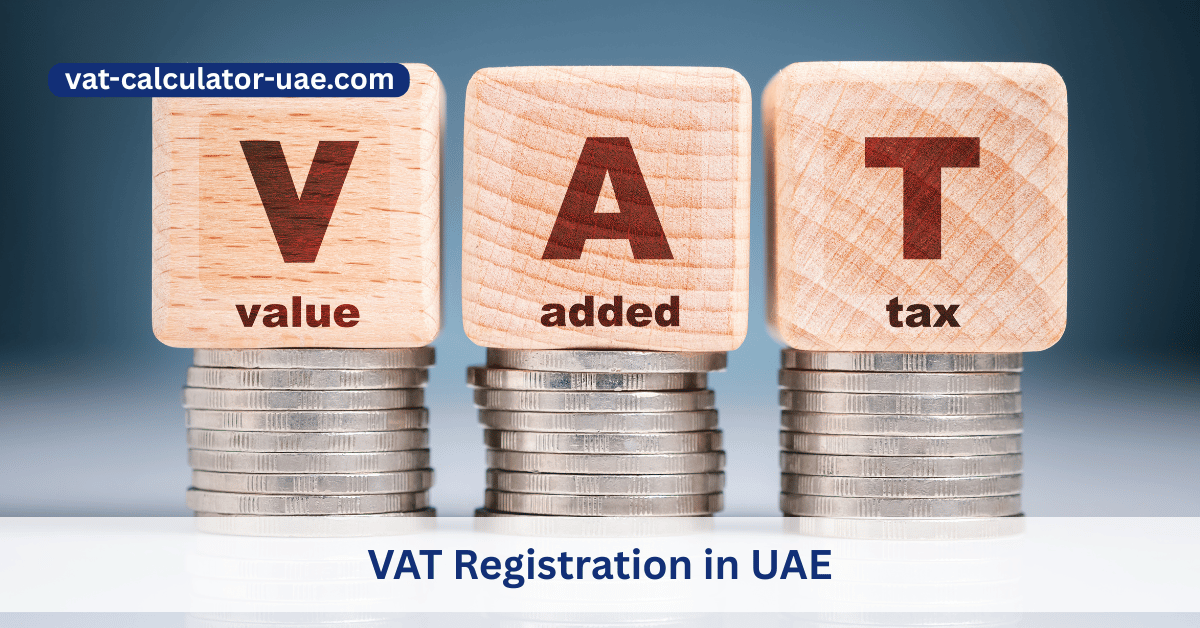
The United Arab Emirates has become one of the fastest-growing business hubs in the world. With thousands of companies operating across Dubai, Abu Dhabi, and other Emirates, understanding VAT Registration in UAE is crucial for any business owner. Since VAT was introduced in 2018, every taxable person or company earning above the mandatory threshold has been required to register for VAT with the Federal Tax Authority (FTA). Whether you’re launching a new business or expanding your operations, this guide will help you understand how to register for VAT, what documents are required, and how to stay compliant with tax regulations.
What Is VAT and Why It Matters for UAE Businesses
Value Added Tax (VAT) is a consumption tax applied at each stage of production and distribution of goods and services. In the UAE, the standard VAT rate is 5%, and it is collected on most transactions except for certain exempt or zero-rated supplies. The collected VAT helps the government fund infrastructure, education, and healthcare projects, making it a crucial part of the country’s financial system.
For businesses, VAT is more than just a legal requirement—it’s also a sign of professionalism and trustworthiness. Customers prefer dealing with VAT-registered entities, as it reflects transparency and adherence to the law. Moreover, registering for VAT allows businesses to reclaim the input tax paid on purchases, reducing operational costs in the long run.
Who Needs VAT Registration in the UAE
Not every business in the UAE needs to register for VAT. The FTA has defined clear thresholds to determine who must register and who can do so voluntarily. If your taxable supplies and imports exceed AED 375,000 over the previous 12 months, you must register for VAT. However, if your annual revenue is between AED 187,500 and AED 375,000, you can choose to register voluntarily.
For freelancers, startups, and small companies, this distinction is vital. Many entrepreneurs search online for how to register for VAT in UAE for new company, but before applying, they should first evaluate their taxable income. If the threshold is met or expected to be met soon, registration becomes mandatory.
Documents Required for VAT Registration in UAE
To register for VAT, you’ll need to gather specific documents to verify your business identity, structure, and financial activities. The documents required for VAT registration in UAE include:
List of required documents:
- Trade license copy
- Passport and Emirates ID of the owner or partners
- Proof of business address (Ejari or tenancy contract)
- Bank account details (IBAN confirmation)
- Income statement or financial records
- Power of attorney (if applicable)
- Customs details (if importing goods)
Having these documents ready will make the registration process smooth and prevent delays in approval.
Step-by-Step Process of VAT Registration in UAE
VAT registration is done entirely online through the FTA e-services portal. Here’s how the process works:
- Visit the official FTA website and create an e-Services account.
- Verify your email and log in to your dashboard.
- Fill in the VAT registration form with accurate business information.
- Upload the required documents in the proper format.
- Review and submit your application.
Once submitted, the FTA will review your application and issue a VAT GST registration number (commonly known as a Tax Registration Number or TRN) if everything is correct.
Understanding the VAT Thresholds and Exemptions
The VAT threshold in the UAE ensures that only businesses of a certain scale are required to register. However, understanding exemptions is equally important. Certain supplies, such as local passenger transport, residential property rentals, and specific financial services, are exempt from VAT.
Businesses below the threshold may still choose voluntary registration if they wish to claim input tax credits or enhance their business credibility. The following table shows the main registration thresholds:
| Type of Registration | Threshold Amount (AED) | Status |
|---|---|---|
| Mandatory Registration | 375,000 | Required |
| Voluntary Registration | 187,500 | Optional |
| Below Voluntary Limit | < 187,500 | Not Allowed |
Benefits of Registering for VAT in UAE
Registering for VAT offers several benefits beyond mere compliance. Firstly, it enhances your company’s credibility with clients and suppliers. Secondly, VAT registration allows businesses to claim back the tax paid on purchases and imports, known as input tax recovery.
Another significant benefit is the ability to expand operations across GCC countries without facing unnecessary tax barriers. Being VAT-registered shows that your business is recognized by the FTA, ensuring smoother transactions within and outside the UAE.
How to Register for VAT in UAE for New Company
For newly established companies, the registration process is straightforward but requires accuracy. You’ll need to apply for VAT as soon as your taxable income is expected to exceed AED 375,000 within the next 30 days. New businesses can apply through the FTA portal by submitting all necessary documents and verifying business details.
It’s crucial to ensure that your trade license and business bank account are active before applying. Incorrect information or missing details may lead to delays in obtaining your VAT registration certificate. Once approved, you’ll receive your TRN number, which must be displayed on all invoices and tax documents.
Importance of VAT Compliance
VAT compliance is an ongoing responsibility after registration. Businesses are required to maintain detailed financial records, issue VAT-compliant invoices, and file VAT returns periodically. Non-compliance can result in penalties, fines, and potential legal action from the FTA.
To stay compliant, ensure that all invoices include your TRN number, VAT rate, and total amount of tax charged. Maintaining a proper accounting system will also help during audits or inspections conducted by the authorities.
Common Mistakes During VAT Registration
Many businesses make avoidable mistakes during the registration process. The most common ones include providing incorrect financial data, using expired trade licenses, or forgetting to attach key documents. Another common issue is applying under the wrong entity type, such as registering a sole proprietorship as a company.
To avoid such errors, double-check all entries before submitting your application. Consulting with a tax expert or accountant familiar with the UAE VAT system can save time and prevent costly delays.
How to Check Your VAT Registration Status
After submitting your application, you can check your registration status on the FTA portal. Log in to your account and navigate to the “My Applications” section to view updates. Once your VAT is approved, you’ll receive your Tax Registration Number (TRN) via email.
You can also use the VAT number verification service on the FTA website to confirm the authenticity of your TRN. This is useful for businesses that want to verify suppliers or clients before making large transactions.
Penalties for Not Registering for VAT
Failure to register for VAT when required can result in significant penalties. The FTA imposes fines for late registration, incorrect tax filings, and non-compliance. Businesses that intentionally avoid registration may face legal action and reputational damage.
To avoid such issues, monitor your taxable turnover regularly and apply for VAT as soon as your income approaches the threshold. The FTA provides grace periods, but repeated negligence can lead to suspension of your trade license.
Post-Registration Requirements
After obtaining your VAT certificate, there are several ongoing requirements. You must file VAT returns quarterly (or monthly for large businesses), maintain accurate records for at least five years, and issue compliant invoices. Additionally, any changes in business details such as address or ownership must be updated with the FTA immediately.
Failure to maintain proper records can lead to audits and penalties. Regularly reviewing your tax reports and reconciling input/output tax can ensure smooth compliance.
VAT Refunds and Adjustments
If your business pays more VAT on purchases than you collect on sales, you can apply for a VAT refund. Refund applications are processed through the FTA portal, and you must submit supporting documents such as invoices and payment proofs.
VAT refunds help businesses maintain liquidity, especially those involved in exports or large-scale capital investments. Always ensure that your refund claims are accurate and supported by valid documentation to avoid rejection.
VAT Deregistration in UAE
If your business no longer meets the VAT threshold or ceases operations, you can apply for deregistration. The process is also handled through the FTA portal. Deregistration must be applied for within 20 business days from the date of eligibility.
Once approved, your TRN number will be deactivated, and you’ll need to settle any pending tax liabilities before closure. Businesses should maintain records even after deregistration for potential future audits.
Tips for Smooth VAT Registration
To ensure a hassle-free registration process, consider these tips:
- Keep all business documents updated and valid.
- Use the same registered email address for FTA communication.
- Regularly check your taxable supplies to know when you cross the threshold.
- Consult a VAT expert if unsure about compliance rules.
By following these practices, you can avoid penalties and ensure that your business operates smoothly under the UAE’s VAT framework.
Conclusion
Understanding VAT Registration in UAE is essential for every business operating in the Emirates. From collecting necessary documents to submitting your application and maintaining compliance, each step plays a vital role in building your company’s credibility. Whether you’re learning how to register for VAT in UAE for new company or ensuring that your business meets FTA standards, proper registration sets the foundation for transparency and success. By keeping accurate records and staying compliant, you safeguard your business from penalties and position it for sustainable growth in the UAE’s evolving economy.
FAQs
What is the VAT rate in the UAE?
The standard VAT rate in the UAE is 5%.
Who must register for VAT?
Any business whose taxable supplies exceed AED 375,000 annually must register for VAT.
Can I register voluntarily?
Yes, if your taxable income is above AED 187,500, you can register voluntarily.
How long does VAT registration take?
It usually takes 5 to 10 working days after submission of complete documents.
What is a TRN number?
TRN stands for Tax Registration Number, also known as the VAT GST registration number.
Do freelancers need to register for VAT?
Yes, if their income exceeds the mandatory threshold.
Is VAT registration free in UAE?
Yes, registration on the FTA portal is free of charge.
What happens if I don’t register for VAT?
You may face fines and penalties from the FTA.
Can I claim VAT refunds?
Yes, if your input tax exceeds your output tax, you can apply for a refund.
Do I need to renew VAT registration?
No, but you must keep your business license and records updated with the FTA.
For more article on VAT in UAE visit, keep visiting: https://vat-calculator-uae.com/